

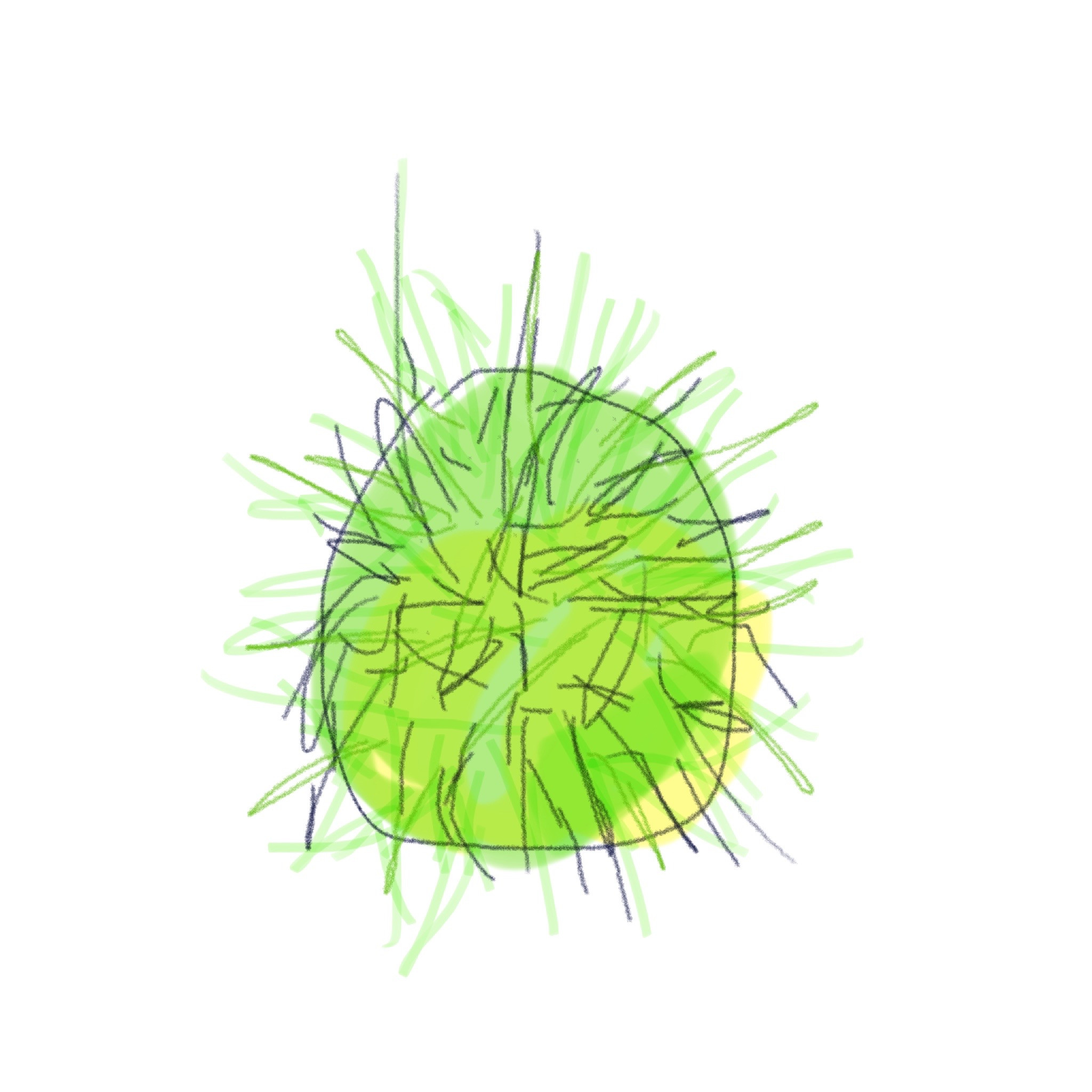
The only edible chestnut Roasted chestnuts are very tasty. The fruit comprises a sharp spiny husk usually with two seeds, the conkers, which fall from the tree on ripening in October. The sweet chestnut has long played a role in human society. Romans cultivated it to supplement the food given to their legionnaires. The sweet chestnut has long been established in the Netherlands but its native habitat is far to the south in a region around the Mediterranean and Black Sea. From the Middle Ages sweet chestnut trees were widely planted in monastery gardens, on estates and in the foothills of mountains such as those on the island of Corsica. The sweet chestnut tree is highly prized for its seeds (nuts) and wood, as the durable chestnut wood is used as well. Often there is confusion between the sweet chestnut and the horse chestnut but the only similarity is in the name – chestnut – as the seeds, the nuts, only bear a superficial resemblance to one another. The sweet chestnut grows to 20-30 meters high and lives to between 500 and 1000 years. Chestnuts are traditionally roasted in their tough brown husks after removing the spiny cupules in which they grow on the tree, the husks being peeled off and discarded and the hot chestnuts dipped in salt before eating them. Roast chestnuts are traditionally sold in streets, markets and fairs by street vendors with mobile or static braziers. Once cooked, chestnuts acquire a sweet flavour and a floury texture similar to the sweet potato. The cooked nuts can be used for stuffing poultry, as a vegetable or in nut roasts. They can also be used in confections, puddings, desserts and cakes. They are used for flour, bread making, a cereal substitute, coffee substitute, a thickener in soups etc
